
Is lab-grown meat the food of the future, or is just another pseudo-gizmo?
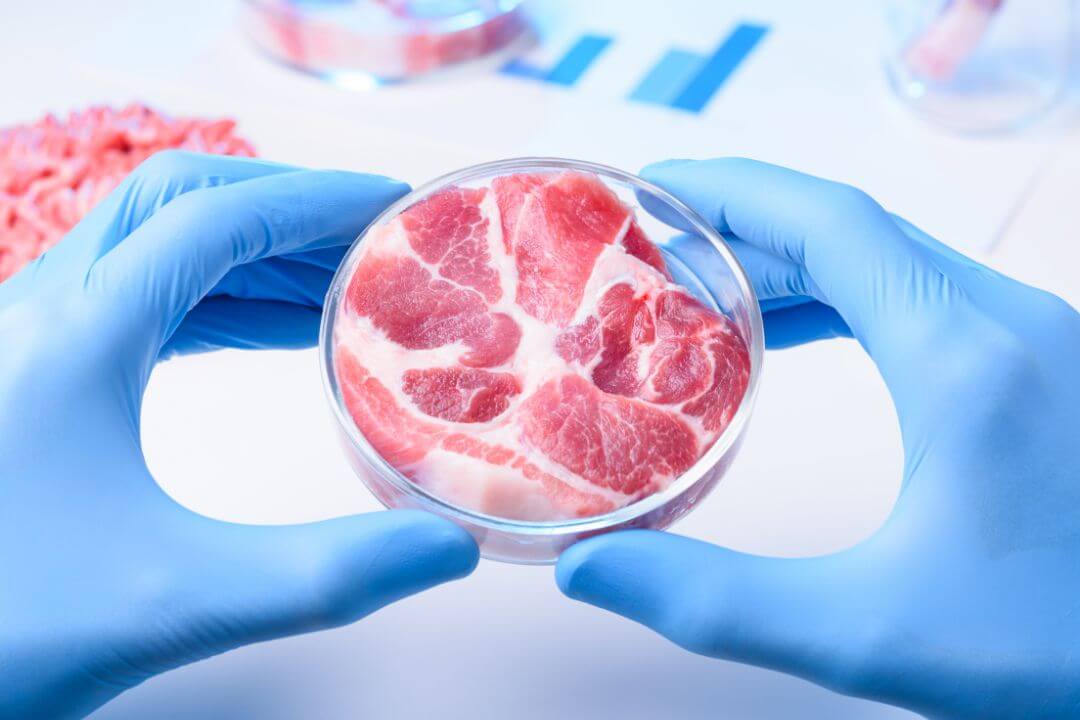
In recent years, the conversation around meat consumption, environmental sustainability, and animal welfare has intensified, leading to the exploration of alternative sources of protein that could potentially revolutionize our food systems. Among these innovations, lab-grown meat, also known as cultured meat, stands out as a promising solution. This article aims to clarify the concept of lab-grown meat for those who may be unfamiliar with it, detailing its creation process, potential benefits, and challenges.
Understanding Lab-Grown Meat
At its core, lab-grown meat is a form of cellular agriculture that allows for the production of meat without the need to raise and slaughter animals. This technology involves cultivating animal cells in a controlled environment, enabling them to grow and replicate to form muscle tissue, which is essentially what meat is. The process begins with the collection of a small sample of animal cells, which can be obtained through a biopsy from a living animal, ensuring minimal harm. These cells are then nurtured in a nutrient-rich culture medium, where they proliferate and differentiate into muscle cells, eventually forming meat.
The Creation Process
The journey of producing lab-grown meat can be broken down into several stages:
- Cell Selection: Scientists select a specific type of cell, such as muscle cells, that have the capacity to grow and multiply efficiently.
- Cell Cultivation: These cells are placed in a bioreactor, a device that provides the perfect conditions for cell growth, including optimal temperature, humidity, and a supply of nutrients.
- Tissue Formation: Over time, the cells begin to form tissues, resembling the structure of traditional meat. This involves the use of edible scaffolding to give the meat shape and texture.
- Harvesting: Once the meat has reached the desired level of growth, it is harvested, processed, and prepared for consumption.
Potential Benefits
Lab-grown meat offers several potential benefits that could address some of the critical issues facing our current food production systems:
- Environmental Sustainability: Cultured meat could drastically reduce the environmental impact of livestock farming, including a significant decrease in land use, water consumption, and greenhouse gas emissions.
- Animal Welfare: By eliminating the need for animal slaughter, lab-grown meat presents a more humane alternative to traditional meat production.
- Food Security: With the capability to produce meat in controlled environments, lab-grown meat could contribute to more stable and sustainable food supplies, particularly in regions vulnerable to climate change and resource scarcity.
- Health Advantages: Lab-grown meat can be engineered to have a healthier nutritional profile, such as lower saturated fat levels, while also reducing the risk of foodborne illnesses associated with conventional meat production.
Navigating Challenges
Despite its promising potential, the path to bringing lab-grown meat to the mainstream market is fraught with challenges:
- Public Perception and Acceptance: Convincing consumers to embrace lab-grown meat as a legitimate and appealing alternative to traditional meat is a significant hurdle.
- Regulatory Hurdles: The novel nature of lab-grown meat means that it must navigate complex regulatory frameworks to ensure its safety and quality before it can be widely marketed.
- Production Costs: Currently, the cost of producing lab-grown meat is relatively high, primarily due to the expensive growth mediums required. Efforts are ongoing to find more cost-effective methods and ingredients.
- Scaling Up: Transitioning from small-scale production to large-scale manufacturing without compromising quality or safety poses technical and logistical challenges.
The Future Plateau
As research and development in the field of lab-grown meat continue to advance, the prospects of it becoming a viable and sustainable alternative to conventional meat grow ever more promising. Innovations aimed at reducing production costs and improving the efficiency of the cultivation process are underway, bringing us closer to a future where lab-grown meat could become a staple in our diets.
In the quest for more sustainable and ethical food sources, lab-grown meat represents a fascinating intersection of biotechnology, environmental science, and culinary arts. It embodies the potential to redefine our relationship with food, animals, and the environment. As we stand on the brink of this new frontier in food production, it is crucial for stakeholders, from scientists to policymakers and consumers, to engage in open and informed discussions about the role of lab-grown meat in shaping the future of food.
Conclusion
Lab-grown meat offers a visionary alternative to traditional meat production, promising substantial benefits in terms of environmental sustainability, animal welfare, and food security. However, overcoming the challenges related to public acceptance, regulatory approval, production costs, and scalability is essential for this innovative technology to transition from the laboratory to the dinner table. As we navigate these challenges, the dialogue surrounding lab-grown meat continues to evolve, reflecting broader themes of innovation, sustainability, and ethical responsibility in our global food systems. The journey of lab-grown meat from concept to consumption underscores the transformative potential of technology to address some of the most pressing issues of our time, heralding a new era of food production that is mindful of the planet, people, and animals.
