
The human brain is often described as the most complex organ in the known universe.
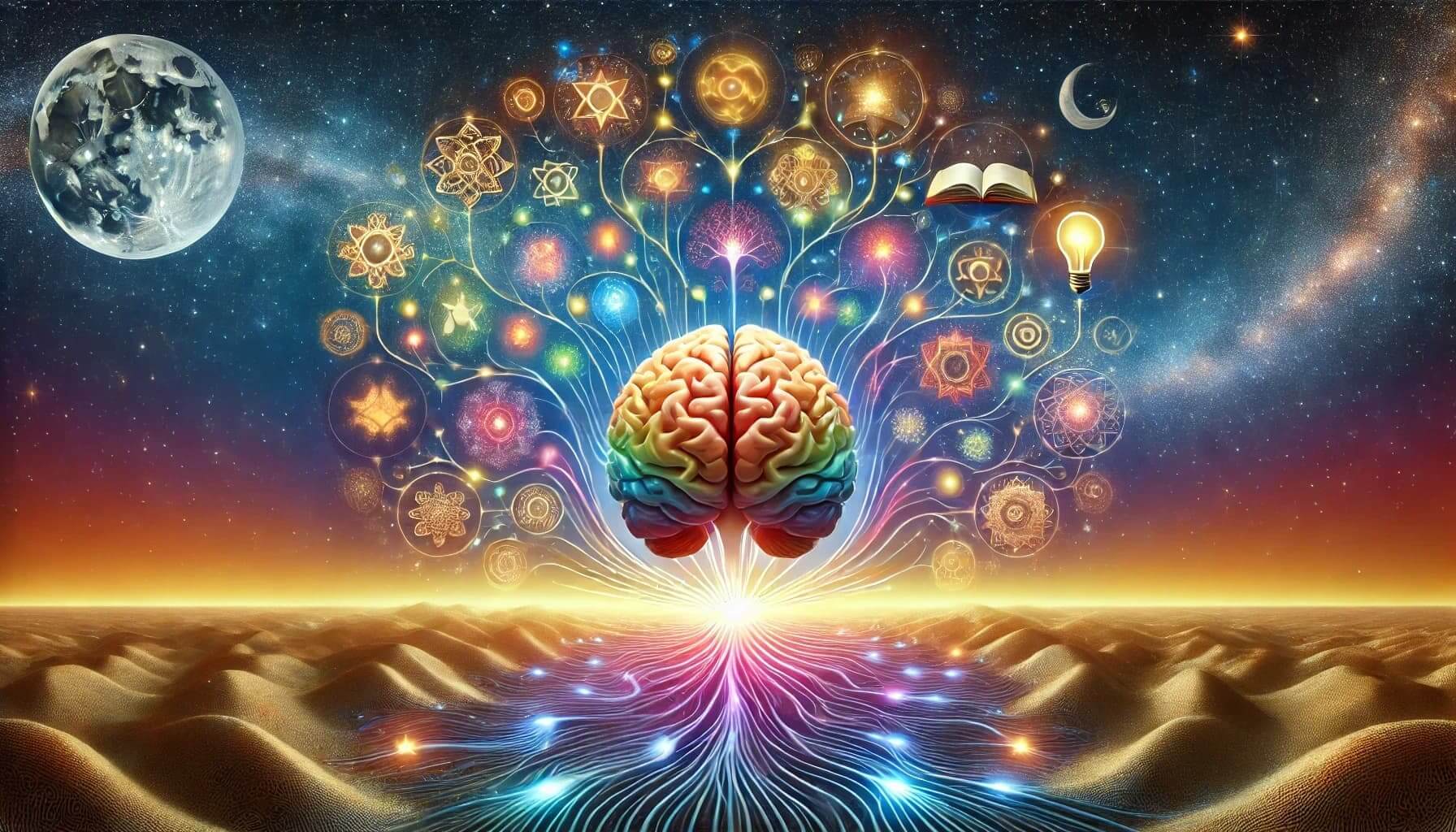
It is the command center of the human body, responsible for everything from basic bodily functions to the most intricate thoughts and emotions. Despite centuries of study, the brain still holds many mysteries, and scientists continue to explore its vast potential. Recent advancements in neuroscience have uncovered fascinating insights about the brain’s hidden capabilities, suggesting that we may only be scratching the surface of what it can achieve.
The Brain’s Structure and Function
The human brain is composed of approximately 86 billion neurons, which communicate with each other through trillions of synapses. These connections form complex networks that enable the brain to process information, store memories, and generate thoughts and emotions. The brain is divided into several regions, each responsible for different functions. The frontal lobe, for instance, is associated with decision-making, problem-solving, and planning, while the temporal lobe is crucial for processing auditory information and memory.
One of the most remarkable aspects of the brain is its plasticity, or its ability to change and adapt in response to experiences. Neuroplasticity allows the brain to reorganize itself by forming new neural connections, which is essential for learning and recovery from injury. This adaptability is a key factor in unlocking the hidden potential of the human brain.
Unleashing Cognitive Abilities
Recent research has focused on understanding how we can enhance cognitive abilities, such as memory, attention, and problem-solving skills. Studies have shown that certain activities can boost brain function and promote neuroplasticity. For example, engaging in regular physical exercise has been proven to increase the production of brain-derived neurotrophic factor (BDNF), a protein that supports the growth and maintenance of neurons. Similarly, mental exercises like puzzles, reading, and learning new skills can stimulate the brain and improve cognitive performance.
Additionally, mindfulness practices such as meditation have gained attention for their potential to enhance brain function. Research indicates that regular meditation can lead to structural changes in the brain, including increased gray matter density in areas associated with attention and emotional regulation. These findings suggest that by incorporating certain activities into our daily lives, we can tap into the brain’s hidden potential and improve our cognitive abilities.
The Brain and Creativity
Creativity is another area where the brain’s hidden potential is being explored. While creativity has long been considered a mysterious and elusive quality, neuroscientists are beginning to unravel the processes that underlie creative thinking. Studies have identified specific brain networks, such as the default mode network and the executive control network, that play a role in creative cognition. Understanding how these networks interact could lead to new ways of enhancing creative abilities.
Moreover, research has shown that creativity can be cultivated through practice and exposure to diverse experiences. Engaging in activities that challenge the brain, such as playing a musical instrument or experimenting with different forms of art, can foster creative thinking. By nurturing our creative potential, we can unlock new solutions to problems and innovate in various fields.
Exploring Consciousness
One of the most profound mysteries of the human brain is consciousness—the awareness of ourselves and the world around us. Despite significant progress in neuroscience, the nature of consciousness remains elusive. However, recent studies are shedding light on the neural correlates of consciousness and how different brain regions contribute to conscious experience.
Scientists are also investigating altered states of consciousness, such as those induced by meditation, psychedelics, or near-death experiences, to gain insights into the brain’s potential. These studies suggest that exploring consciousness could reveal new dimensions of human experience and expand our understanding of the brain’s capabilities.
Potential for Brain Enhancement
The quest to unlock the brain’s hidden potential has led to the development of various brain enhancement techniques. From cognitive training programs to brain-computer interfaces, researchers are exploring ways to augment brain function and improve mental performance. Some of these technologies hold promise for treating neurological disorders and enhancing the cognitive abilities of healthy individuals.
However, the pursuit of brain enhancement also raises ethical considerations. As we develop technologies that can alter brain function, it is crucial to consider the implications for privacy, autonomy, and equity. Balancing the potential benefits and risks of brain enhancement will be a key challenge as we continue to explore the brain’s capabilities.
FAQs
What is neuroplasticity?
Neuroplasticity refers to the brain’s ability to reorganize itself by forming new neural connections in response to learning, experience, or injury. It is a fundamental mechanism that allows the brain to adapt and change throughout life.
Can we improve our cognitive abilities?
Yes, research suggests that engaging in activities such as physical exercise, mental challenges, and mindfulness practices can enhance cognitive abilities by promoting neuroplasticity and brain health.
How does meditation affect the brain?
Meditation has been shown to induce structural changes in the brain, such as increased gray matter density in areas related to attention and emotion regulation. It can enhance brain function and promote well-being.
What role does creativity play in brain potential?
Creativity involves complex brain processes and can be cultivated through practice and exposure to diverse experiences. Understanding the neural basis of creativity can unlock new ways to enhance creative abilities.
What are the ethical considerations of brain enhancement?
Brain enhancement technologies raise ethical concerns related to privacy, autonomy, and equity. It is important to weigh the potential benefits against the risks and consider the societal implications of altering brain function.
The human brain’s hidden potential is a vast and largely uncharted territory. As we continue to explore its mysteries, we are likely to uncover new insights that could revolutionize our understanding of the mind and open up new possibilities for human development.
