
Personal growth is a lifelong journey that involves the continuous development of one’s skills, knowledge, and character.
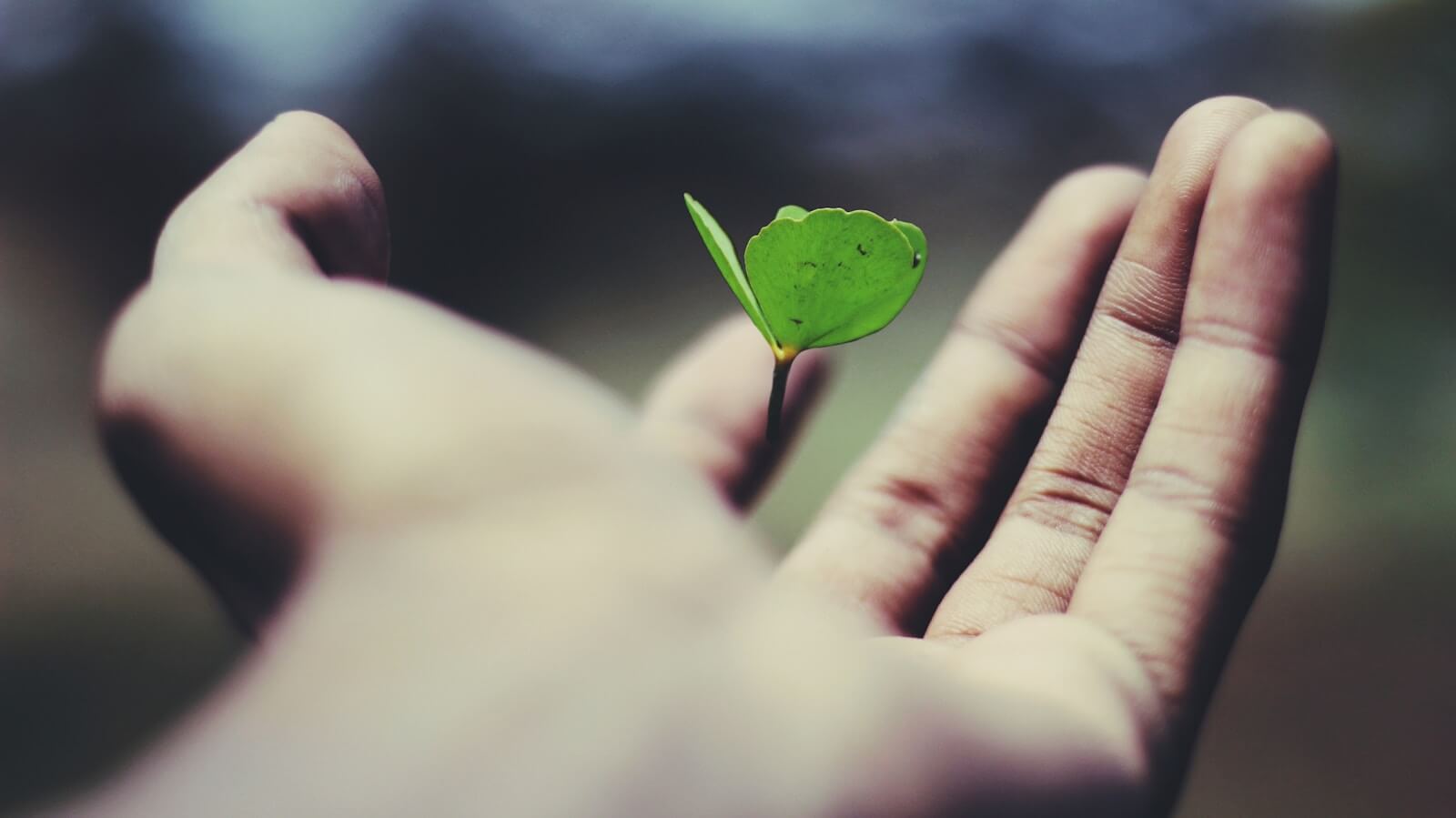
It is a dynamic process that is influenced by a myriad of factors, including individual experiences, societal changes, and personal aspirations. Understanding the dynamics of personal growth is essential for anyone seeking to lead a fulfilled and purposeful life. This article digs into the various aspects of personal growth, exploring its importance, the stages involved, and the challenges one might face along the way.
The Importance of Personal Growth
Personal growth is critical for several reasons. At its core, it fosters self-awareness, enabling individuals to understand their strengths, weaknesses, values, and beliefs. This self-awareness is pivotal in making informed decisions and setting meaningful goals. Furthermore, personal growth enhances one’s emotional intelligence, improving relationships and communication skills. It also promotes resilience, allowing individuals to navigate life’s challenges with greater ease and adaptability.
In a rapidly changing world, personal growth is vital for staying relevant and competitive. It encourages lifelong learning and adaptation, equipping individuals with the skills needed to thrive in various environments, whether personal, professional, or social. By continuously evolving, individuals can achieve a sense of fulfillment and satisfaction, contributing positively to their communities and society at large.
The Stages of Personal Growth
Personal growth is often conceptualized as a series of stages, each characterized by specific developmental tasks and challenges. While models may vary, a common framework includes the following stages:
Self-Discovery
The initial stage of personal growth involves self-discovery, where individuals seek to understand their identity, values, and passions. This phase often includes introspection and reflection, as individuals explore their interests and assess their life experiences. It is a foundational stage that sets the tone for future growth.
Goal Setting
Once individuals have a clearer understanding of themselves, they can begin setting goals aligned with their values and aspirations. Goal setting involves identifying specific, measurable, achievable, relevant, and time-bound (SMART) objectives that provide direction and motivation. This stage requires careful planning and prioritization to ensure that goals are realistic and attainable.
Skill Development
Achieving personal growth often necessitates the development of new skills and competencies. This stage involves acquiring knowledge and honing abilities that are essential for reaching one’s goals. Skill development can occur through formal education, training programs, or self-directed learning. It is a continuous process that requires dedication and commitment.
Overcoming Challenges
Personal growth is not without its challenges. Individuals may encounter obstacles such as fear of failure, self-doubt, or external pressures that hinder progress. This stage involves building resilience and developing coping strategies to overcome these challenges. It often requires individuals to step outside their comfort zones and embrace change, fostering personal and professional growth.
Reflection and Adaptation
As individuals achieve their goals and navigate life’s challenges, reflection becomes an essential part of personal growth. This stage involves assessing progress, celebrating achievements, and learning from setbacks. Reflection allows individuals to adapt their goals and strategies, ensuring continued growth and development. It is an iterative process that encourages lifelong learning and evolution.
Challenges in Personal Growth
While personal growth is a rewarding journey, it is not without its challenges. Some common obstacles include:
Fear of Change
Change is an inherent part of personal growth, yet many individuals fear the unknown. This fear can create resistance to new experiences and hinder progress. Overcoming this challenge requires embracing change as an opportunity for growth and development.
Lack of Motivation
Sustaining motivation over an extended period can be challenging, particularly when faced with setbacks or obstacles. Individuals may struggle to maintain momentum, leading to stagnation in their growth journey. Setting clear, achievable goals and celebrating small wins can help maintain motivation.
Negative Self-Perception
Negative self-perception, such as self-doubt or low self-esteem, can impede personal growth. Individuals may underestimate their abilities or fear judgment from others, preventing them from pursuing their goals. Building self-confidence and challenging negative thought patterns are essential for overcoming this challenge.
External Pressures
Societal expectations, peer pressure, or family obligations can influence personal growth, sometimes leading individuals away from their true aspirations. Balancing external pressures with personal values and goals is crucial for authentic growth.
FAQs about Personal Growth
What is personal growth?
Personal growth refers to the ongoing process of developing one’s skills, knowledge, and character. It involves self-improvement, self-awareness, and the pursuit of personal goals.
Why is personal growth important?
Personal growth is important because it enhances self-awareness, emotional intelligence, and resilience. It promotes lifelong learning and adaptation, allowing individuals to lead fulfilling and purposeful lives.
How can I start my personal growth journey?
Starting a personal growth journey involves self-discovery and goal setting. Begin by reflecting on your values, interests, and aspirations. Set specific, achievable goals and develop a plan to acquire the necessary skills and knowledge.
What are some common challenges in personal growth?
Common challenges in personal growth include fear of change, lack of motivation, negative self-perception, and external pressures. Overcoming these challenges requires resilience, self-confidence, and a willingness to embrace change.
How can I stay motivated in my personal growth journey?
Staying motivated involves setting clear goals, celebrating small achievements, and maintaining a positive mindset. Surrounding yourself with supportive individuals and seeking inspiration from various sources can also help sustain motivation.
Conclusion
Understanding the dynamics of personal growth is essential for anyone seeking to lead a meaningful and fulfilling life. By recognizing the importance of self-awareness, goal setting, and skill development, individuals can navigate the challenges of personal growth and achieve their aspirations. Embracing change, building resilience, and maintaining motivation are key to continuous personal and professional development. As you embark on your personal growth journey, remember that it is a lifelong process that requires dedication, introspection, and adaptation.
