
Compare low-carb vs low-fat diets in real-world weight loss. Learn which helps you lose weight faster, key benefits, drawbacks, and how to choose the best fit.
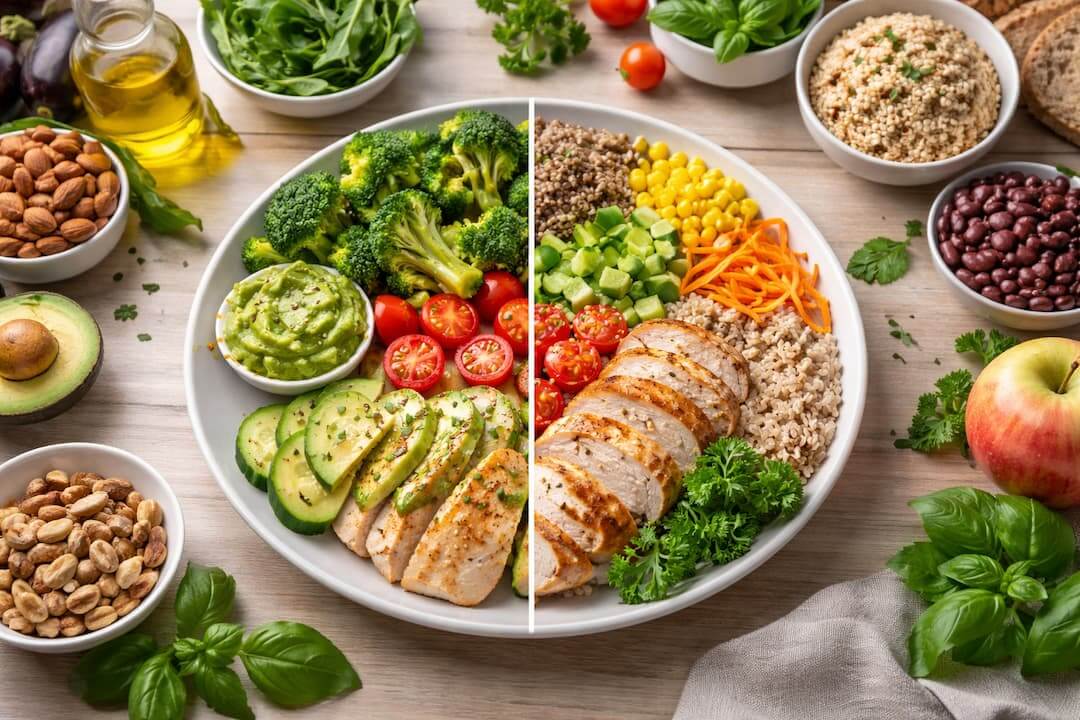
If you’ve ever tried to lose weight or improve your health, you’ve probably heard the same debate again and again: Should I cut carbs or cut fat? Both low-carb and low-fat diets have millions of followers and plenty of success stories. They also have critics, confusion, and conflicting advice.
The truth is simpler than it often sounds. Both approaches can work. People lose weight and improve health with each. But they work in different ways, feel different in daily life, and suit different types of people. Understanding those differences makes it much easier to choose the one that fits you—rather than forcing yourself into a plan that never feels sustainable.
This guide breaks down how each diet works, how fast people typically lose weight, the practical pros and cons, and which situations tend to favor one over the other.
What “Low-Carb” and “Low-Fat” Actually Mean
Before comparing results, it helps to clarify what these diets are in simple terms.
A low-carb diet reduces foods rich in carbohydrates—things like bread, pasta, rice, potatoes, sugary snacks, and many processed foods. Instead, it emphasizes protein (meat, fish, eggs, dairy) and fats (olive oil, nuts, avocado). Some versions are moderate, while others are very strict (like keto).
A low-fat diet does the opposite. It reduces foods high in fat—such as fatty meats, butter, oils, fried foods, and full-fat dairy—and focuses more on grains, fruits, vegetables, and lean protein.
In everyday terms:
-
Low-carb = fewer starchy/sugary foods
-
Low-fat = fewer oily/fatty foods
Both can reduce calorie intake (the amount of energy you eat), which is the main driver of weight loss. The difference is how they achieve that reduction and how they feel in real life.
How Each Diet Leads to Weight Loss
Weight loss always comes down to eating less energy than your body uses. But different diets make that happen in different ways.
How low-carb diets work in practice
When people cut carbs significantly, several things tend to happen:
-
They eat fewer processed foods (bread, snacks, sweets)
-
Protein intake usually increases, which helps people feel full
-
Blood sugar swings often become smaller, reducing hunger spikes
-
The body uses stored energy more readily
In the first weeks, people often lose weight quickly. Part of this early drop comes from water loss, because stored carbs in the body hold water. When carb intake falls, that water is released.
So early low-carb weight loss often looks dramatic—sometimes several kilograms in the first month.
How low-fat diets work in practice
Fat is the most calorie-dense part of food. When people reduce fatty foods, meals often become less energy-dense overall. For example:
-
Lean chicken instead of fried chicken
-
Yogurt instead of cheese
-
Baked foods instead of fried foods
Because fat contains more than twice the calories per gram compared with carbs or protein, cutting it can reduce daily intake even if portion sizes stay similar.
Weight loss on low-fat diets is usually steadier rather than rapid. People often lose weight at a consistent pace over months rather than seeing big early drops.
Which Diet Leads to Faster Weight Loss?
This is the question most people care about.
In real-world results:
-
Low-carb diets usually produce faster early weight loss
-
After 6–12 months, average weight loss tends to be similar between both
Why the early difference? Mainly water and appetite effects. Cutting carbs often reduces hunger quickly and lowers water retention. That combination can lead to noticeable changes on the scale and in body shape within weeks.
Low-fat diets typically don’t cause the same rapid initial drop. But over time, as calorie intake stays lower, weight loss continues steadily.
Think of it like this:
-
Low-carb = faster start
-
Low-fat = slower but steady
Long-term success depends more on which one a person can maintain comfortably.
Hunger and Fullness: A Major Real-Life Difference
One of the biggest practical differences between these diets is how hungry people feel.
Low-carb and appetite
Many people report feeling less hungry on low-carb diets. There are a few reasons:
-
Protein increases fullness
-
Blood sugar swings are smaller
-
Fewer refined carbs reduce cravings
This often makes it easier to eat less without feeling deprived. Some people naturally reduce portion sizes without trying.
However, not everyone experiences this. Some people feel tired or restricted without carbs, especially if they enjoy grain-based meals.
Low-fat and appetite
Low-fat diets can feel lighter but sometimes less satisfying. Meals may contain more carbohydrates, which digest quickly and may lead to hunger returning sooner.
That said, if a low-fat diet includes plenty of fiber-rich foods (vegetables, whole grains, legumes), fullness can still be good.
In practical terms:
-
Low-carb often reduces hunger quickly
-
Low-fat requires more attention to portion balance
Ease of Following in Daily Life
A diet’s effectiveness depends heavily on how easy it is to live with.
Living low-carb
Pros:
-
Simple rule: avoid carbs
-
Less snacking for many people
-
Restaurant meals often adaptable (meat + vegetables)
Challenges:
-
Bread, rice, pasta are common foods worldwide
-
Social eating can be difficult
-
Strict versions feel restrictive
-
Fruit and some vegetables may be limited
People who enjoy savory foods often adapt well. People who love grains or sweets may struggle.
Living low-fat
Pros:
-
Fits traditional dietary advice
-
Includes grains and fruit
-
Easier in social settings
-
Wide food variety
Challenges:
-
Requires attention to hidden fats
-
Low-fat products can be less satisfying
-
Portion control is still needed
People who enjoy plant-based meals or grain-based dishes often find low-fat easier.
Health Effects Beyond Weight
Weight loss isn’t the only outcome people care about. Both diets can influence health markers in different ways.
Low-carb patterns often improve:
-
Blood sugar control
-
Triglycerides (a type of blood fat)
-
HDL (“good”) cholesterol
These changes are particularly helpful for people with insulin resistance or prediabetes.
Low-fat patterns often improve:
-
LDL (“bad”) cholesterol
-
Overall calorie intake
-
Intake of fiber-rich foods
These changes are often helpful for heart health.
Importantly, both diets can improve health when they lead to weight loss and better food quality overall.
Common Misconceptions About Each Diet
“Low-carb is unhealthy”
This depends on food quality. A low-carb diet built on vegetables, fish, nuts, and healthy fats differs greatly from one heavy in processed meats and butter. Quality matters more than labels.
“Low-fat doesn’t work”
Low-fat diets have produced weight loss for decades. They may be slower at first, but long-term results are comparable when people adhere to them.
“Carbs cause weight gain”
Carbs alone do not cause weight gain. Excess calorie intake does. However, highly processed carb foods are easy to overeat, which is why reducing them often helps.
“Fat makes you fat”
Dietary fat does not automatically become body fat. But high-fat foods are calorie-dense, so large amounts can increase total intake.
Who Often Does Better on Low-Carb
Certain patterns suggest low-carb may feel easier or produce better results for some people:
-
Strong sugar or carb cravings
-
Frequent hunger between meals
-
Blood sugar issues
-
Preference for protein-rich foods
-
History of rapid early success on carb restriction
These individuals often appreciate the appetite control and quick early results.
Who Often Does Better on Low-Fat
Other profiles tend to suit low-fat approaches:
-
Enjoyment of grains, fruit, legumes
-
Preference for plant-based eating
-
Social eating patterns centered on carb foods
-
Dislike of fatty foods
-
Need for flexible, less restrictive plans
These individuals often sustain low-fat patterns more comfortably.
Cost and Practical Considerations
Food cost and convenience matter in real life.
Low-carb diets often rely on protein foods (meat, fish, dairy, nuts), which can be more expensive in some regions.
Low-fat diets often include staples like rice, beans, and grains, which are usually cheaper.
However, processed “diet” foods in either category can increase cost without improving results.
Cooking habits also matter. Low-carb meals often involve fresh cooking. Low-fat plans can rely more easily on common staples.
Sustainability Over Time
The most important factor in any diet is adherence—how long someone can maintain it.
Research and real-world experience consistently show:
-
People who stick to either diet lose weight
-
People who abandon it regain weight
-
The specific diet matters less than consistency
So the best diet is not the fastest one in theory—it’s the one you can follow comfortably for months and years.
Real-World Weight Loss Timelines
To give a practical sense of expectations:
Low-carb typical pattern:
-
Weeks 1–4: noticeable drop (often rapid)
-
Months 2–6: steady loss
-
After 6 months: slower or plateau
Low-fat typical pattern:
-
Weeks 1–4: modest loss
-
Months 2–6: steady consistent loss
-
After 6 months: gradual continuation
After one year, average total loss is often similar when adherence is equal.
Choosing Based on Your Goals
If your main goal is fast visible change:
Low-carb often delivers quicker early results.
If your goal is long-term steady weight management:
Either can work—choose based on preference.
If your goal is improving blood sugar:
Low-carb often helps more.
If your goal is lowering LDL cholesterol:
Low-fat often helps more.
If your goal is simplicity:
Low-carb rules are often clearer.
If your goal is flexibility:
Low-fat often feels less restrictive.
A Practical Decision Framework
You can simplify the choice with a few questions:
Do you feel better eating protein-rich meals than grain-based meals?
→ Low-carb may suit you.
Do you enjoy bread, rice, and fruit daily?
→ Low-fat may suit you.
Do you want fast early results for motivation?
→ Low-carb may help.
Do you want a plan easy to maintain socially?
→ Low-fat may help.
Do you struggle with sugar cravings?
→ Low-carb may help.
Do you prefer plant-based eating?
→ Low-fat may help.
The Bottom Line
Low-carb and low-fat diets are both effective weight-loss approaches. The key differences are not whether they work—but how they work and how they feel to live with.
Low-carb diets often produce faster early weight loss and may reduce hunger more strongly. Low-fat diets usually produce slower but steady loss and often feel easier to integrate into everyday eating patterns.
Over the long term, results are similar when people maintain either approach consistently. The best choice depends less on biology alone and more on personal preference, lifestyle, and sustainability.
If you choose the approach that fits your habits and tastes, you greatly increase the chance of lasting results—and that matters far more than whether carbs or fat are reduced.
