
Music Therapy & The Healing Power of Music.
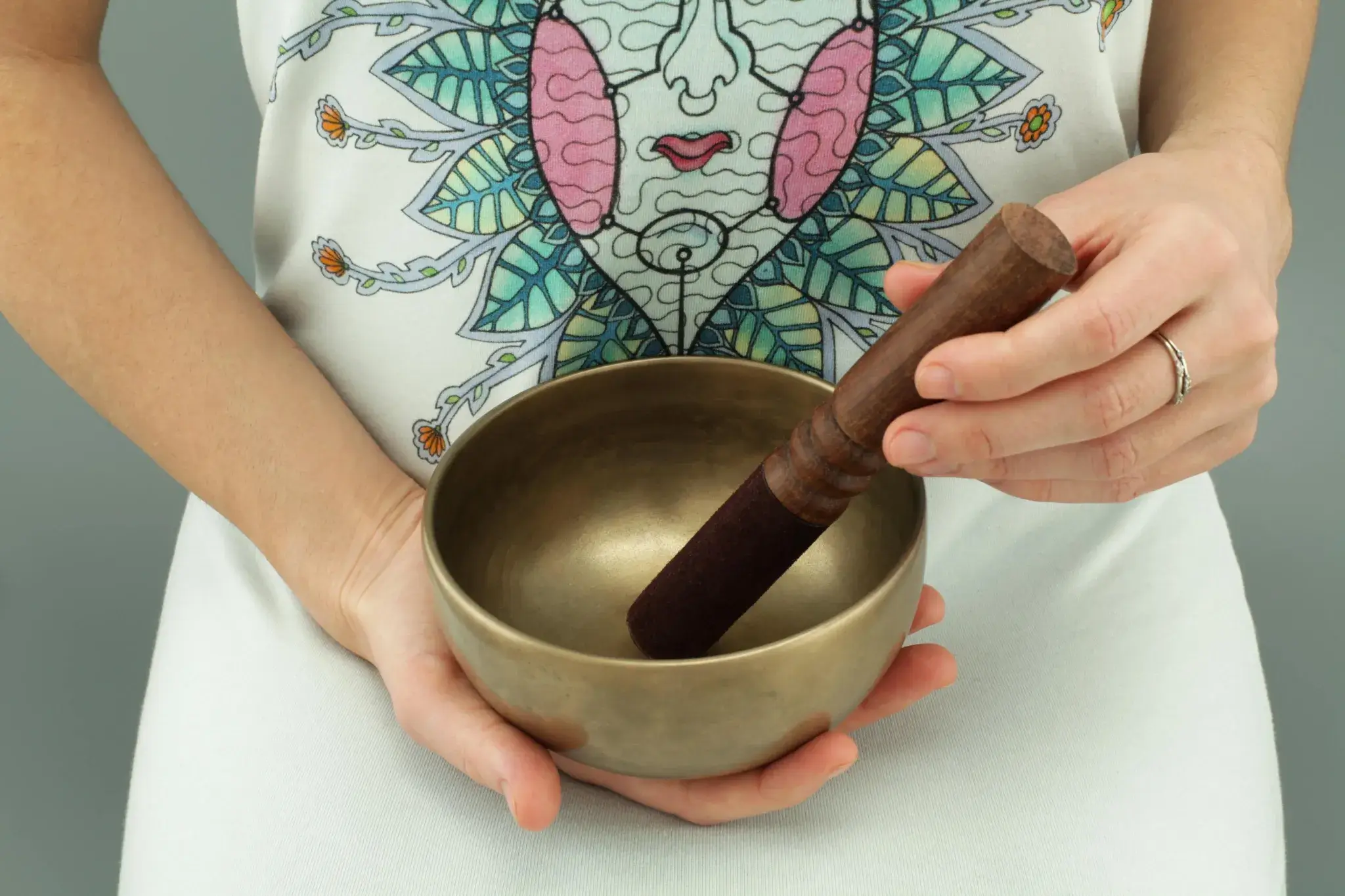
Music has been a universal language, transcending borders, cultures, and time periods. It has the power to evoke emotions, create connections, and even heal. The therapeutic use of music, known as music therapy, has gained recognition and acceptance in the medical community as an effective treatment for a variety of physical, emotional, cognitive, and social needs. This article explains how music can help you feel better and introduces you to music therapy.
Understanding Music Therapy
Music therapy is a clinical and evidence-based practice that uses music interventions to accomplish individualized goals within a therapeutic relationship. It is conducted by a credentialed professional who has completed an approved music therapy program. Music therapists use music to address a range of health issues, from mental health disorders and developmental disabilities to physical rehabilitation and chronic pain.
The roots of music therapy can be traced back to ancient civilizations where music was used in healing rituals and ceremonies. However, the modern field of music therapy began to take shape in the 20th century, particularly after World War II, when musicians started playing for veterans suffering from physical and emotional trauma. The positive responses from these veterans led to the establishment of formal music therapy programs and the development of academic and clinical training for music therapists.
How Music Therapy Works
Music therapy utilizes various techniques and activities to meet the specific needs of clients. These can include playing instruments, singing, songwriting, improvisation, listening to music, and movement to music. The choice of activities depends on the therapeutic goals, which can range from improving communication skills and enhancing motor function to reducing anxiety and alleviating pain.
One of the key principles of music therapy is its ability to engage multiple areas of the brain simultaneously. Music can stimulate the brain’s auditory, motor, and emotional centers, making it a powerful tool for rehabilitation and emotional expression. For example, rhythmic auditory stimulation (RAS) is a technique used to improve gait and movement in individuals with neurological disorders such as Parkinson’s disease. By synchronizing their movements to the rhythm of the music, patients can improve their motor skills and coordination.
Emotional and Psychological Benefits
Music therapy has been shown to have significant emotional and psychological benefits. It can help reduce symptoms of depression, anxiety, and post-traumatic stress disorder (PTSD). Music provides a safe and non-verbal way for individuals to express their emotions and process traumatic experiences. It can also create a sense of connection and community, which is particularly important for individuals who feel isolated or marginalized.
In addition to its therapeutic effects on mental health, music therapy can enhance cognitive functioning. Studies have shown that music can improve memory, attention, and executive function in individuals with cognitive impairments such as dementia and Alzheimer’s disease. Music therapy can also support language development in children with speech and language disorders by stimulating the brain areas involved in language processing.
Physical Health Benefits
Music therapy is not limited to mental and emotional health; it also offers physical health benefits. For patients undergoing medical procedures or dealing with chronic pain, music therapy can serve as a non-pharmacological intervention to reduce pain perception and stress. Listening to calming music has been found to lower blood pressure, heart rate, and cortisol levels, promoting relaxation and reducing the physiological effects of stress.
In rehabilitation settings, music therapy can aid in physical recovery by motivating patients to engage in physical activities and exercises. For instance, therapeutic drumming can improve hand-eye coordination and fine motor skills, while singing can enhance respiratory function and speech production in patients recovering from a stroke or traumatic brain injury.
Applications of Music Therapy
Music therapy is used in a variety of settings, including hospitals, schools, rehabilitation centers, nursing homes, and private practices. Some common applications of music therapy include:
-
- Hospitals: Music therapy can help reduce anxiety and pain in patients undergoing surgery, chemotherapy, or other medical treatments. It can also support the emotional well-being of patients and their families during hospitalization.
-
- Schools: Music therapy can support the academic, social, and emotional development of children with special needs, including those with autism spectrum disorder, learning disabilities, and behavioral disorders.
-
- Rehabilitation Centers: Music therapy can aid in the physical and cognitive rehabilitation of individuals recovering from neurological conditions, injuries, or surgeries.
-
- Nursing Homes: Music therapy can improve the quality of life for elderly residents by enhancing their cognitive function, emotional well-being, and social interaction.
-
- Mental Health Facilities: Music therapy can be an effective treatment for individuals with mental health disorders, providing a means of expression, coping, and emotional regulation.
FAQs
What qualifications do music therapists have?
Music therapists are required to have a bachelor’s degree or higher in music therapy from an accredited institution. They must also complete a clinical internship and pass a certification exam to become a Board-Certified Music Therapist (MT-BC).
Can anyone benefit from music therapy?
Yes, music therapy can benefit individuals of all ages and backgrounds. It is a versatile and adaptable therapy that can be tailored to meet the specific needs and goals of each client.
Do I need to have musical skills to participate in music therapy?
No, you do not need any musical skills or experience to participate in music therapy. The therapist will design activities that are accessible and enjoyable for you, regardless of your musical background.
How long does a music therapy session last?
The length of a music therapy session can vary depending on the setting and the individual’s needs. Sessions typically last between 30 minutes to an hour.
Is music therapy covered by insurance?
Coverage for music therapy varies by insurance provider and plan. Some insurance companies may cover music therapy services if they are deemed medically necessary. It is advisable to check with your insurance provider for specific coverage details.
How do I find a qualified music therapist?
You can find a qualified music therapist through professional organizations such as the American Music Therapy Association (AMTA) or the Certification Board for Music Therapists (CBMT). These organizations offer directories of certified music therapists in various locations.
In conclusion, music therapy harnesses the transformative power of music to promote healing and well-being. Whether addressing physical, emotional, cognitive, or social challenges, music therapy offers a holistic and evidence-based approach to improving the quality of life for individuals of all ages. If you or a loved one could benefit from music therapy, consider exploring this therapeutic modality and its potential to unlock the healing power of music.
