
In the realm of home fitness equipment, an exercise bike has carved out a special niche.
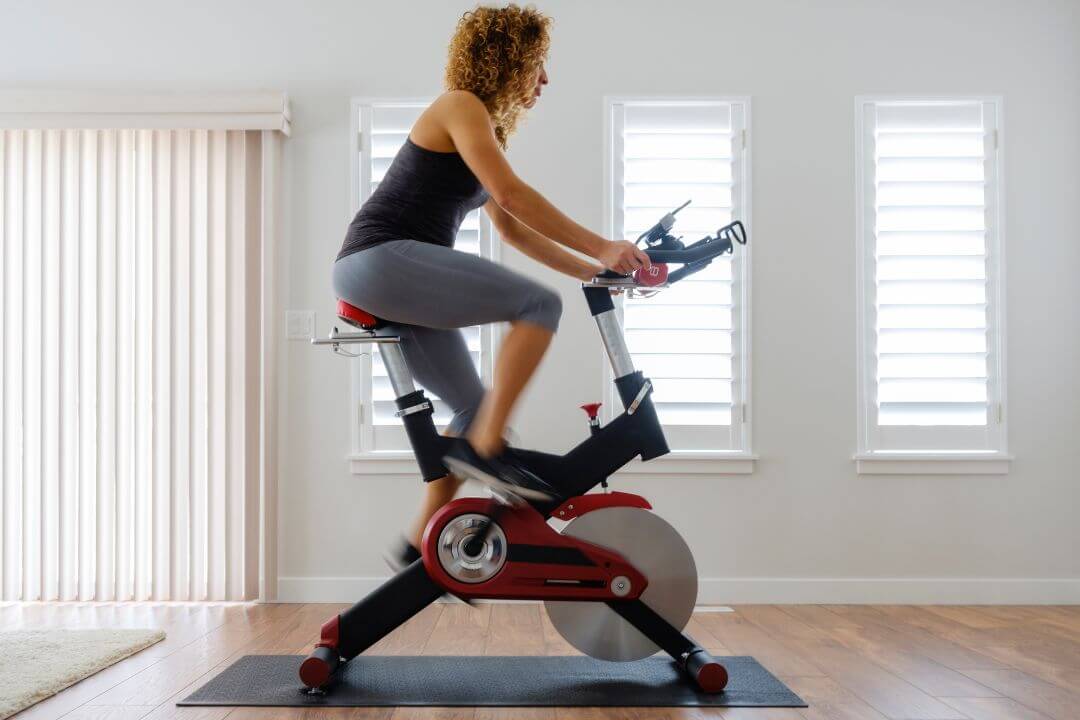
These versatile machines offer a low-impact, high-reward workout experience that appeals to a wide range of fitness enthusiasts. Whether you’re a seasoned cyclist or a complete beginner, exercise bikes have something to offer. In this article, we’ll explore the best uses of an exercise bike, from cardiovascular fitness to weight loss and beyond.
Indoor Cycling Benefits
1. Convenient Cardiovascular Fitness
Cardiovascular fitness is the cornerstone of a healthy lifestyle, and an exercise bike is an excellent tool to achieve it. Here’s why:
- Low Impact: Unlike running or jumping exercises, cycling on an exercise bike is gentle on your joints, making it suitable for people of all ages and fitness levels.
- Customizable Intensity: You can adjust the resistance level on most exercise bikes, allowing you to tailor your workout to your fitness level and goals.
- Consistency: With an exercise bike at home, you can maintain a regular cardio routine, even when the weather is unfavorable or you have time constraints.
2. Weight Loss with Exercise Bike
Weight loss is a common fitness goal, and exercise bikes can be a valuable ally in your journey. Here’s how they contribute to shedding those extra pounds:
- Calorie Burn: Cycling on an exercise bike can help you burn a significant number of calories, depending on the intensity and duration of your workouts.
- Fat Loss: Regular cycling can target fat stores, especially when combined with a well-balanced diet.
- Metabolism Boost: Consistent cycling can increase your metabolism, making it easier to maintain a healthy weight.
READ ALSO: Are Smartwatches Good Health Monitors?
Using an Exercise Bike for Cardiovascular Fitness
A cardiovascular workout helps improve your heart and lung health, enhances circulation, and boosts overall endurance. Here’s how to make the most of your exercise bike for cardiovascular fitness:
1. Start with a Warm-Up
Before diving into a high-intensity ride, warm up for 5-10 minutes with a gentle, slow-paced cycling session. This helps prepare your muscles and reduces the risk of injury.
2. Gradually Increase Resistance
As your fitness level improves, gradually increase the resistance on your exercise bike. This will challenge your cardiovascular system and help you progress.
3. Mix Up Your Workouts
To keep things interesting, vary your workouts. Try interval training (HIIT) by alternating between short bursts of high-intensity pedaling and recovery periods. This can be a highly effective way to improve cardiovascular fitness and burn calories.
4. Monitor Your Heart Rate
Invest in a heart rate monitor to ensure you’re working within your target heart rate zone. This will help you optimize your cardiovascular workouts.
Cycling for Weight Loss
When using an exercise bike as part of a weight loss program, it’s essential to focus on both diet and exercise. Here’s how to incorporate your exercise bike into your weight loss plan effectively:
1. Set Realistic Goals
Define your weight loss goals and create a workout schedule that aligns with them. Consistency is key.
2. Combine Cardio and Strength Training
While the exercise bike is excellent for burning calories, incorporating strength training exercises alongside your cycling routine can help you build lean muscle, which, in turn, boosts your metabolism.
3. Monitor Your Progress
Keep track of your workouts, including duration, intensity, and calories burned. This data can help you stay motivated and adjust your plan as needed.
4. Stay Hydrated and Eat Right
Proper hydration and a balanced diet are crucial components of any weight loss journey. Fuel your body with nutritious foods to support your workouts.
Features to Look for in an Exercise Bike
When considering the purchase of an exercise bike for your home gym, it’s important to choose the right model. Here are some key features to look for:
1. Adjustable Resistance
Ensure the exercise bike offers adjustable resistance levels to accommodate various fitness levels and workout intensities.
2. Comfortable Seat and Ergonomics
A comfortable seat and an ergonomic design are essential for long, enjoyable rides.
3. Console and Display
Look for an exercise bike with a clear display that tracks metrics like speed, distance, time, and calories burned.
4. Stability and Durability
Choose a bike with a sturdy frame and stable base to ensure safety during your workouts.
5. Connectivity and Workout Programs
Some modern exercise bikes offer connectivity to fitness apps and built-in workout programs, adding variety to your routines.
Health Benefits of Stationary Biking
In addition to cardiovascular fitness and weight loss, stationary biking offers numerous health benefits, including:
- Improved Joint Health: The low-impact nature of cycling reduces stress on your joints, making it ideal for individuals with joint issues.
- Mental Well-being: Regular exercise releases endorphins, which can help reduce stress and improve your mood.
- Lowered Risk of Chronic Diseases: Cycling can contribute to a reduced risk of conditions like heart disease, diabetes, and hypertension.
- Enhanced Leg Strength: It helps build and tone muscles in your legs, especially the quadriceps and calves.
- Better Sleep: Regular exercise, including cycling, can improve the quality of your sleep.
Frequently Asked Questions (FAQ)
Q1: Can I use an exercise bike if I’m a beginner to fitness? A1: Absolutely! Exercise bikes are beginner-friendly and offer a gentle introduction to cardiovascular exercise.
Q2: How often should I use an exercise bike to see weight loss results? A2: To see weight loss results, aim for at least 3-5 days of cycling per week, with sessions lasting 30-60 minutes.
Q3: Is it necessary to do high-intensity interval training (HIIT) on an exercise bike for effective workouts? A3: While HIIT can be effective, it’s not necessary. Consistent moderate-intensity cycling can also lead to great results.
Q4: What is the recommended maintenance for an exercise bike? A4: Regularly check for loose bolts and keep the bike clean. Lubricate moving parts as needed, and ensure the console is functioning correctly.
Q5: Can an exercise bike help with rehabilitation from joint injuries? A5: Yes, the low-impact nature of exercise bikes can make them an excellent choice for rehabilitation from joint injuries, under the guidance of a healthcare professional.
In conclusion, an exercise bike is a versatile and valuable addition to your home gym. Whether you aim to improve your cardiovascular fitness, lose weight, or simply enjoy a low-impact workout, this piece of equipment has you covered. Remember to choose a bike that suits your needs, stay consistent with your workouts, and enjoy the many health benefits it brings to your life.
