
Holistic medicine is a healthcare approach that views a person as an integrated whole—mind, body, spirit, emotions, and lifestyle—rather than a collection of separate symptoms or organs.
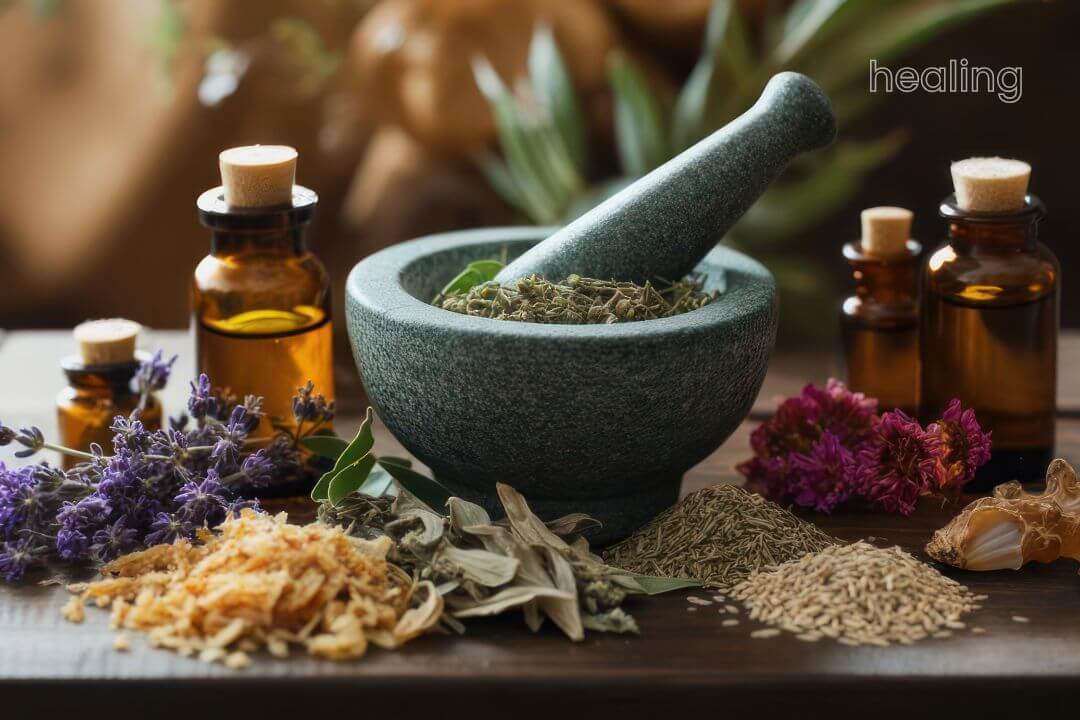
Its central idea is that all aspects of a person’s life influence their overall health, and that true wellness emerges when these parts are in balance.
Defining Holistic Medicine
At its core, holistic medicine emphasizes whole-person care. Instead of focusing solely on a disease or disorder, it examines how physical health is influenced by emotional well-being, mental patterns, living conditions, relationships, environment, and lifestyle choices. The goal is not just the absence of illness but the achievement of optimal health, where a person functions at their highest potential.
In holistic care, the patient is not a passive recipient of treatment but an active partner. Healing is seen as a collaborative process involving both practitioner and patient.
Core Principles of Holistic Medicine
1. The Body as an Interconnected System
Holistic medicine starts from the belief that all aspects of a person—physical, mental, emotional, and spiritual—are interconnected. A disturbance in one area can influence all others.
For example, chronic stress (emotional) may contribute to headaches or digestive issues (physical).
2. Individualized Care
Every person is unique, so holistic medicine tailors treatment to the individual rather than applying a standardized approach. Factors like personality, lifestyle, habits, and personal goals are taken into account.
3. The Practitioner–Patient Partnership
The relationship is based on trust, open communication, and shared decision-making. Patients are encouraged to take responsibility for their own well-being and participate actively in the healing process.
4. Prevention First
Holistic care prioritizes preventing illness rather than waiting for it to occur. This means supporting healthy habits, stress reduction, nutrition, and lifestyle practices that reduce risk and promote long-term health.
5. Addressing Root Causes
Instead of only treating symptoms, holistic medicine seeks to understand why they appeared.
For example:
-
Instead of just giving medication for insomnia, a holistic practitioner might examine diet, stress, sleep hygiene, emotional factors, or underlying medical issues.
6. Integrating Multiple Healing Systems
Holistic medicine often blends conventional medical treatments with complementary therapies. The goal is not to replace mainstream medicine but to enhance it when beneficial.
Common Practices and Modalities
Holistic practitioners use a wide range of therapies. Some are rooted in conventional science, while others come from traditional or alternative healing systems.
Nutrition & Lifestyle Counseling
Focus on balanced diets, hydration, and sustainable lifestyle habits.
Exercise & Movement
Individualized plans may include yoga, tai chi, walking, strength training, or stretching to support physical and emotional well-being.
Stress Management & Mind-Body Practices
Techniques such as:
-
Meditation
-
Mindfulness
-
Breathwork
-
Guided imagery
-
Biofeedback
Complementary Therapies
These may include:
-
Acupuncture – restoring energy flow and reducing pain or stress
-
Massage therapy – improving circulation, reducing tension
-
Chiropractic care – addressing musculoskeletal alignment
-
Herbal medicine – using plant-based remedies
-
Homeopathy or naturopathy – depending on the practitioner’s training
Spiritual or Emotional Support
For some patients, spirituality or personal meaning is included as a component of healing, though this varies based on comfort and beliefs.
How Holistic Medicine Differs from Conventional Medicine
Holistic and conventional medicine share the goal of healing and improving health, but they differ in approach and philosophy.
Approach to Diagnosis
-
Conventional medicine often focuses on identifying the specific illness through tests and measurable markers.
-
Holistic medicine expands this by examining lifestyle, emotions, stress levels, relationships, and environmental influences.
Approach to Treatment
-
Conventional medicine relies heavily on pharmaceuticals, surgery, and evidence-based interventions.
-
Holistic medicine may use these tools but combines them with complementary therapies, lifestyle changes, and mind-body practices.
Focus on Symptoms vs. Root Causes
-
Conventional medicine is highly effective at managing acute or severe symptoms (e.g., infections, injuries, emergencies).
-
Holistic medicine emphasizes understanding why the symptoms occurred and restoring balance in the whole system.
Patient Role
-
In conventional care, patients often follow the doctor’s instructions.
-
In holistic care, patients actively participate in decisions and self-care practices.
Philosophy
-
Conventional medicine is grounded in biological science.
-
Holistic medicine includes biological science but also acknowledges emotional, psychological, and lifestyle influences on health.
A Balanced Perspective
Holistic medicine does not reject conventional medicine. In fact, many practitioners use an integrative approach, selecting the safest and most effective treatments from both worlds.
For instance:
-
A patient with high blood pressure might receive conventional medication alongside counseling on diet, stress, exercise, and sleep.
This combined method can be especially beneficial for chronic conditions where lifestyle factors play a large role.
1. Holistic Treatment Plan for Chronic Stress & Anxiety
A. Mind-Body Practices
-
Daily mindfulness meditation (10–15 minutes)
Helps calm the nervous system and reduce overactive stress responses. -
Breathing exercises
Example: 4-7-8 breathing to reduce anxiety quickly. -
Gentle yoga or tai chi 2–3 times per week
Supports both physical relaxation and mental balance.
B. Nutrition
-
Reduce caffeine and sugar, which can increase anxiety.
-
Increase magnesium-rich foods (spinach, nuts, seeds) to support the nervous system.
-
Hydration plan: 6–8 glasses of water daily.
C. Lifestyle Changes
-
Set a consistent sleep schedule.
-
Reduce evening screen time; add a nightly relaxation routine.
-
Plan weekly nature walks or time outdoors to regulate mood.
D. Emotional/Behavioral Support
-
Journaling to identify triggers.
-
Optional therapy or coaching for stress-management strategies.
-
Social connection: dedicate time to supportive relationships.
E. Complementary Therapies
-
Acupuncture (weekly or biweekly) to regulate energy and reduce stress.
-
Massage therapy to relieve muscle tension and promote relaxation.
F. Conventional Integration
-
Continue or review any prescribed medication with a doctor.
-
Use holistic methods as complementary—not replacements—unless advised by a clinician.
2. Holistic Treatment Plan for Chronic Pain (e.g., back pain)
A. Physical Therapies
-
Stretching routine tailored to posture and pain source.
-
Strengthening exercises targeting core and back muscles.
-
Heat and cold therapy to reduce inflammation and tension.
B. Bodywork & Complementary Approaches
-
Chiropractic adjustments (as needed).
-
Acupuncture for pain pathways and muscle relaxation.
-
Massage therapy focusing on trigger points and fascia release.
C. Lifestyle Adjustments
-
Ergonomic improvements at work and home.
-
Daily walking (20–30 minutes) to improve muscle support and circulation.
-
Sleep-position coaching to avoid strain.
D. Nutrition & Supplements
-
Anti-inflammatory diet rich in:
-
leafy greens
-
berries
-
turmeric
-
ginger
-
omega-3 fatty acids (fish, flaxseed)
-
-
Hydration to keep joints and tissues healthy.
E. Mind-Body Techniques
-
Guided imagery for pain reduction.
-
Mindfulness-based stress reduction (MBSR) to manage the emotional component of pain.
F. Medical Integration
-
Imaging or physical exam to rule out serious conditions.
-
Use medication (if prescribed) alongside lifestyle and complementary approaches.
3. Holistic Treatment Plan for Insomnia or Poor Sleep
A. Sleep Hygiene Reset
-
Fixed bedtime and wake time—even on weekends.
-
Limit screens 1–2 hours before bed.
-
Create a dark, cool, quiet sleep environment.
B. Bedtime Relaxation Routine
-
Warm shower
-
Light stretching
-
Relaxation breathing
-
Herbal tea (chamomile, lemon balm)
C. Nutrition
-
Avoid heavy meals before bed.
-
Reduce alcohol and caffeine.
-
Magnesium supplement (if appropriate) to relax muscles and nerves.
D. Complementary Therapies
-
Acupuncture to address imbalances contributing to poor sleep.
-
Massage or craniosacral therapy to release tension.
-
Herbal medicine such as valerian root (guided by a qualified practitioner).
E. Mind-Body Support
-
Journaling to clear the mind before bed.
-
Mindfulness or guided sleep meditations.
F. Addressing Root Causes
Holistic practitioners investigate deeper factors:
-
stress
-
chronic pain
-
digestive issues
-
hormone imbalances
These are addressed as part of the plan.
4. Holistic Treatment Plan for Digestive Issues (e.g., IBS)
A. Nutrition
-
Keep a detailed food diary to identify triggers.
-
Gradual elimination diet (e.g., dairy, gluten, FODMAPs) if needed.
-
Increase fiber gradually.
-
Probiotics and fermented foods (yogurt, kombucha, kimchi).
B. Digestive Support
-
Eat slowly and mindfully.
-
Avoid eating while stressed or distracted.
-
Herbal support: peppermint, ginger, chamomile (under guidance).
C. Stress Management
Because the gut is closely linked to the nervous system, stress plays a major role:
-
meditation
-
breathwork
-
gentle exercise
-
cognitive-behavioral therapy if needed
D. Complementary Therapies
-
Acupuncture to support digestive energy flow.
-
Abdominal massage for motility and relaxation.
E. Lifestyle
-
Consistent meal times
-
Adequate hydration
-
Regular movement after meals (short walks)
F. Conventional Integration
-
Work with a gastroenterologist for tests if symptoms persist.
-
Holistic plan supports, not replaces, medical evaluation.
5. Holistic Treatment Plan for High Blood Pressure (Hypertension)
A. Nutrition
-
Follow a heart-healthy diet (DASH or Mediterranean).
-
Reduce salt, processed foods, and sugars.
-
Increase potassium-rich foods: bananas, avocados, sweet potatoes.
B. Stress Reduction
-
Meditation twice daily.
-
Regular physical activity (30 minutes/day).
-
Breathing exercises to regulate blood pressure.
C. Lifestyle
-
Weight management if needed.
-
Limit alcohol and avoid tobacco.
-
Improve sleep quality, as poor sleep increases risk.
D. Complementary Modalities
-
Acupuncture
-
Yoga
-
Tai chi
-
Herbal medicine (hawthorn, garlic—only under professional guidance)
E. Medical Integration
-
Monitor blood pressure regularly.
-
Do not stop prescribed medication unless advised by a doctor.
-
Combine medical treatment with lifestyle optimization.
Holistic Medicine – Infographic Breakdown
1. What Holistic Medicine Means
Treats the whole person, not just symptoms
Body • Mind • Emotions • Spirit • Lifestyle • Environment
→ All aspects are interconnected and influence overall health.
2. Core Philosophy
A. Whole-Person View
-
Illness is rarely caused by one factor.
-
Mental, emotional, and physical states influence each other.
B. Balance = Health
-
Optimal wellness comes from harmony between all aspects of life.
C. The Person Is an Active Partner
-
Healing is a shared process.
-
Patients participate in decisions, habits, and long-term wellness.
3. Main Goals of Holistic Medicine
-
Prevent illness before it starts
-
Address root causes (not just symptoms)
-
Promote long-term wellness
-
Empower the individual to take control of their health
-
Integrate therapies from both conventional and alternative medicine
4. What Holistic Practitioners Evaluate
-
Physical health
-
Emotional stress levels
-
Dietary habits
-
Sleep quality
-
Work–life balance
-
Social relationships
-
Environmental factors
-
Beliefs and personal values
→ The whole life story matters.
5. Common Holistic Modalities
Mind–Body
-
Meditation
-
Mindfulness
-
Breathwork
-
Yoga / Tai Chi
-
Guided imagery
Lifestyle
-
Nutrition planning
-
Exercise programs
-
Sleep optimization
-
Stress reduction strategies
Bodywork
-
Massage therapy
-
Chiropractic
-
Acupuncture
-
Reflexology
Natural Medicine
-
Herbal supplements
-
Traditional healing systems (Ayurveda, Traditional Chinese Medicine)
-
Homeopathy (practitioner-dependent)
Conventional Medicine Integration
-
Medical exams
-
Diagnostic testing
-
Medications when appropriate
-
Surgery only when needed
Holistic ≠ anti-medicine.
6. How It Differs from Conventional Medicine
Holistic Medicine
-
Treats the whole person
-
Looks for root causes
-
Promotes long-term lifestyle changes
-
Preventive focus
-
Integrates multiple healing systems
-
Patient is a full participant
-
Emphasizes emotional and mental factors
Conventional Medicine
-
Treats the illness or symptom
-
Uses standardized protocols
-
Focuses on acute care and emergencies
-
Strongly based on biomedical science
-
Medications and surgery are primary tools
-
Patient follows doctor’s recommendations
Best case: Integrative care combining both.
7. Benefits of Holistic Medicine
-
Improved overall wellness
-
Reduced stress and anxiety
-
Increased energy levels
-
Better sleep
-
Enhanced disease prevention
-
Greater self-awareness
-
More personalized healthcare
-
Stronger connection between mind and body
8. When Holistic Medicine Helps Most
-
Chronic stress
-
Digestive issues
-
Chronic pain
-
Insomnia
-
Anxiety and mild depression
-
Lifestyle-related conditions (e.g., hypertension)
-
Fatigue and burnout
9. When Conventional Medicine Is Essential
-
Serious infections
-
Trauma / emergencies
-
Acute injuries
-
Heart attacks or strokes
-
Severe psychiatric conditions
-
Surgical needs
Holistic medicine supports, but does not replace, critical medical care.
10. The Holistic Medicine Model (Simple Visual Layout)
            [ Body ]
               |
[ Mind ] — [ Person ] — [ Emotions ]
               |
     [ Spirit / Lifestyle ]

→ All parts influence one another.
→ Treatment addresses every level.
Conclusion
Holistic medicine offers a broader and more integrated way of understanding health. Rather than focusing solely on symptoms, it views each person as a complete system in which physical, mental, emotional, and lifestyle factors all interact. This approach encourages individuals to become active participants in their own well-being, cultivating habits and choices that promote long-term balance rather than short-term relief.
While holistic medicine does not replace conventional healthcare—especially in urgent or complex medical situations—it complements it by addressing root causes, supporting prevention, and nurturing overall wellness. Ultimately, holistic medicine’s strength lies in its ability to connect science, lifestyle, and self-awareness into a unified model of health, empowering people to live more conscious, balanced, and meaningful lives.
Frequently Asked Questions (FAQ)
1. Is holistic medicine the same as alternative medicine?
Not exactly. Holistic medicine can include alternative therapies, but it does not exclude conventional or scientific medical treatments. Instead, it aims to integrate the best of both—using natural methods when appropriate and conventional care when necessary.
2. Can holistic medicine replace my regular doctor?
No. Holistic medicine is most effective as a complement to conventional care, not a substitute. You should continue seeing your medical doctor, especially for diagnostics, emergencies, and ongoing medical conditions.
3. What types of conditions respond well to holistic approaches?
Chronic stress, anxiety, digestive issues, insomnia, fatigue, chronic pain, lifestyle-related conditions (such as high blood pressure), and general wellness goals often respond very well to holistic strategies.
4. How long does it take to see results with holistic treatments?
It depends on the person and the condition. Some people feel improvements within days (e.g., stress or sleep), while chronic conditions may require weeks or months of consistent lifestyle changes, nutrition adjustments, or mind-body practices.
5. Are holistic treatments scientifically supported?
Many holistic practices—such as mindfulness, yoga, acupuncture, nutritional therapy, and exercise—have strong scientific evidence. Others may have more limited or emerging research. Holistic medicine emphasizes personalized care, so practitioners select approaches based on safety, effectiveness, and the patient’s comfort.
6. Do holistic practitioners receive formal training?
Yes, depending on their specialty. Many holistic providers are certified in fields like acupuncture, naturopathy, nutrition, herbal medicine, chiropractic care, massage therapy, or psychology. Training standards vary by country and discipline, so it’s important to choose qualified professionals.
7. Is holistic medicine safe?
When practiced by trained professionals, holistic medicine is generally safe. However, certain herbs, supplements, or extreme detox programs can pose risks. Always inform your doctor about any holistic treatments you plan to use to avoid interactions with medications or medical conditions.
