
The plank is a simple yet highly effective exercise that can be done almost anywhere and requires no equipment.
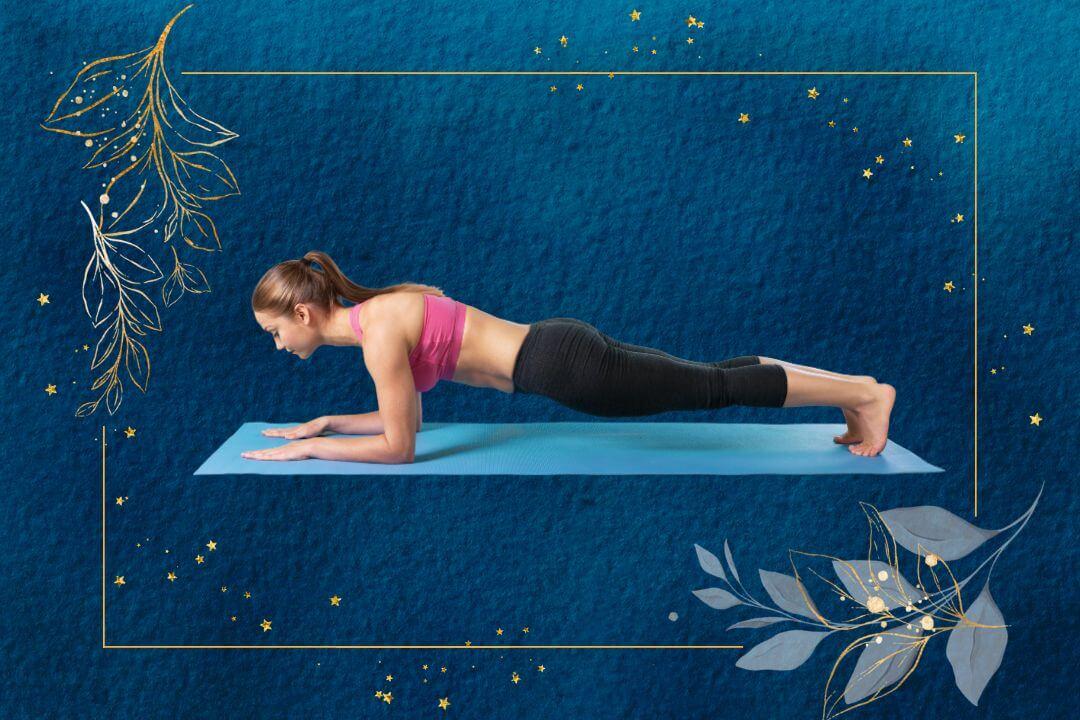
Despite its simplicity, it is a challenging full-body workout that engages multiple muscle groups, primarily targeting the core. Mastering the plank can help improve posture, increase flexibility, and build core strength, which is essential for overall fitness and daily activities.
The Importance of Planking
Planking is one of the best exercises for core conditioning. It not only tones your abdomen but also strengthens the shoulders, arms, and glutes. A strong core provides stability, improves balance, and supports better posture. This exercise is beneficial for everyone, from athletes to individuals looking to improve their fitness levels. The plank’s versatility allows it to be incorporated into various workout routines, making it a staple for anyone aiming to enhance their strength and endurance.
Understanding the Basics of a Plank
At its core, a plank is a bodyweight exercise where you hold a push-up-like position for an extended period. It mainly focuses on maintaining a straight line from head to heels, engaging the core muscles to hold the body stable. While the exercise seems straightforward, executing it with perfect form is crucial to reap its full benefits and avoid injury.
Steps to Perform a Perfect Plank
Step 1: Get into Position
Begin by lying face down on the ground. Prop yourself up on your forearms, ensuring they are directly under your shoulders. Your feet should be hip-width apart, and toes tucked under.
Step 2: Align Your Body
Engage your core muscles by pulling your belly button towards your spine. Your body should form a straight line from your head to heels. Avoid arching your back or letting your hips sag.
Step 3: Hold the Position
Maintain a neutral neck and spine. Your gaze should be slightly in front of your hands. Hold this position for as long as you can while maintaining proper form.
Common Mistakes and How to Avoid Them
Even though the plank is a simple exercise, it’s easy to make mistakes that reduce its effectiveness and increase the risk of injury. Here are some common errors:
Sagging Hips
Allowing your hips to drop can strain your lower back. Keep your core engaged and hips lifted to maintain a straight line.
Raising the Buttocks
Lifting your butt too high reduces the workout’s effectiveness on your core. Ensure your body remains in a straight line.
Looking Forward or Up
Tilting your head up can strain your neck. Keep your gaze on the floor to maintain a neutral spine.
Advanced Plank Variations
Once you’ve mastered the basic plank, you can challenge your body further with these variations:
Side Plank
This variation targets the obliques. From a standard plank, shift your weight onto one arm and rotate your body to face sideways. Stack your feet and hold the position.
Plank with Leg Lift
Lift one leg off the ground while maintaining your plank position. This challenges your stability and increases core engagement.
Plank Jacks
From a plank position, jump your feet out and in, like a jumping jack, to add a cardio element to the exercise.
Incorporating Planks into Your Workout Routine
Planks can be easily integrated into any workout regimen. They can be performed as a stand-alone exercise or part of a circuit routine. Start with holding the plank for 20-30 seconds and gradually increase the duration as your strength improves.
FAQs
How long should I hold a plank?
Beginners should aim to hold a plank for 20-30 seconds. As you build strength, work towards holding the plank for one minute or longer. Quality is more important than quantity; focus on maintaining proper form.
Can planks help me lose belly fat?
While planks strengthen and tone the abdominal muscles, they alone won’t target belly fat. A combination of regular exercise, a healthy diet, and overall calorie deficit is necessary for fat loss.
How often should I do planks?
Planking can be done daily or incorporated into your workout routine three to four times a week. Listen to your body and allow rest days if needed.
What if I feel pain while planking?
If you experience pain, stop immediately and check your form. Pain can indicate improper technique or overuse. Consult a fitness professional if the pain persists.
Are planks suitable for beginners?
Yes, planks are suitable for all fitness levels. Beginners should start with shorter durations and focus on mastering proper form before progressing to longer holds or advanced variations.
Conclusion
Mastering the plank is a journey that requires patience and practice. By focusing on proper form and gradually increasing your endurance, you’ll build a stronger core and enhance your overall fitness. Whether you’re a beginner or an experienced athlete, the plank is a versatile addition to any workout routine, offering numerous benefits for physical health and well-being.
