Eye surgery is a common and sometimes necessary procedure for many people. While laser eye surgery is the most well-known type of eye surgery, there are other varieties of eye surgeries that are used to treat different conditions.
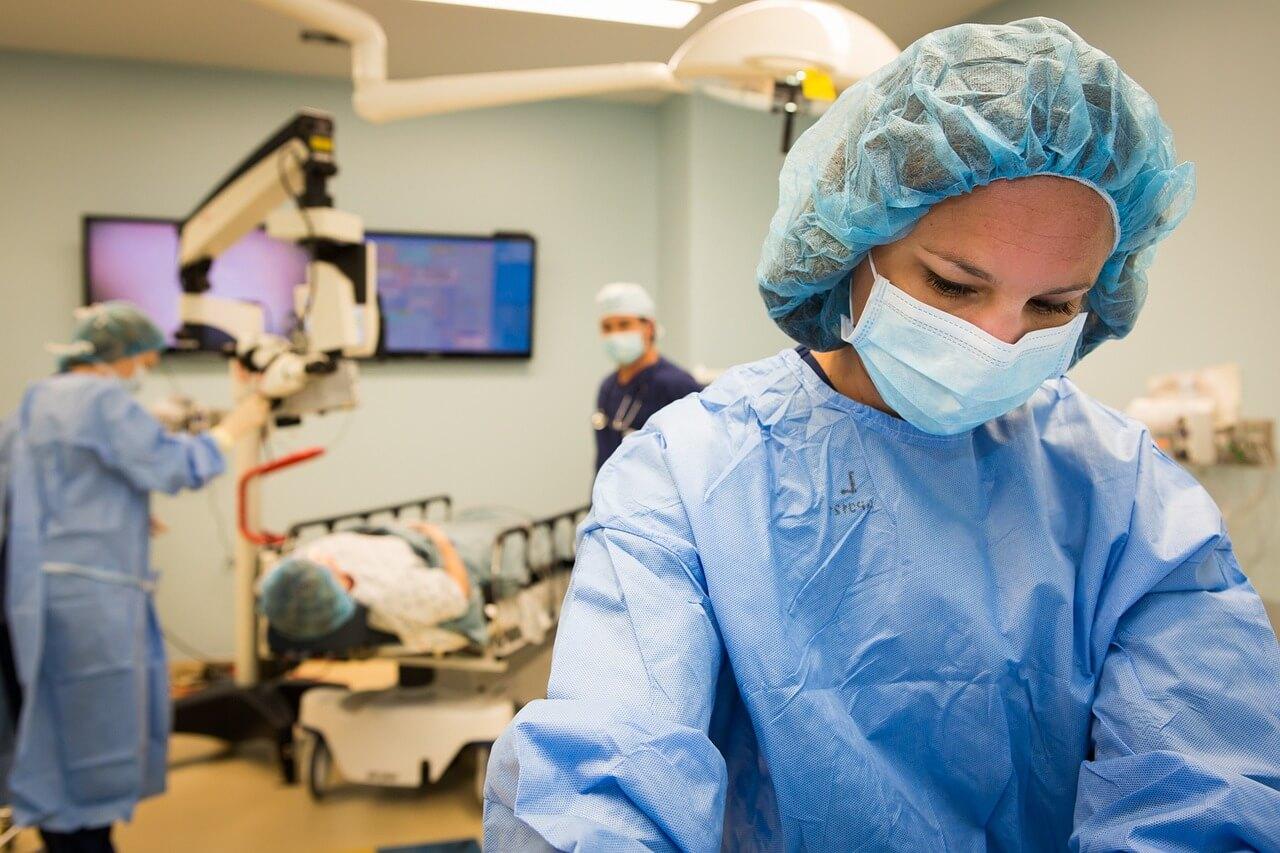
These other types of eye surgery can help to correct vision issues, treat eye diseases, and provide relief from irritating symptoms. They range from minor outpatient procedures to major surgeries that require an overnight stay in the hospital. Some of these other types of eye surgery include cataract surgery, glaucoma surgery, and strabismus surgery. Each of these procedures has its own unique set of benefits and risks, so it is important to be aware of all the options available and to discuss them with your eye doctor. With the right kind of surgery, you can regain or maintain your vision and improve your quality of life.
Laser eye treatment is a type of refractive surgery that uses lasers to reshape the cornea and improve vision. Other types of eye surgery include cataract surgery, glaucoma surgery, corneal transplant surgery, and retinal surgery, among others. The specific type of surgery recommended for a patient depends on the underlying condition and the individual’s unique circumstances. It’s important to consult with an experienced eye surgeon to determine the best course of treatment for your specific needs.
Benefits of laser eye surgery
- Corrected Vision.
- No Pain.
- Immediate Results.
- Better quality of life.
- Improved Self-Confidence.
Cataract surgery
Cataract surgery is a common surgical procedure that involves removing the cloudy natural lens of the eye and replacing it with an artificial lens. The surgery is typically performed on an outpatient basis using local anesthesia, and it generally takes less than an hour to complete. Cataract surgery is a safe and effective procedure that can improve vision and quality of life for people with cataracts, which is a common condition that causes cloudy vision. Recovery time is usually short, and patients can often resume normal activities within a few days to a week after surgery.
Glaucoma surgery
Glaucoma surgery is a type of surgery that is used to treat glaucoma, a group of eye conditions that can lead to vision loss and blindness. The goal of glaucoma surgery is to reduce pressure in the eye and prevent further damage to the optic nerve. There are several types of glaucoma surgery, including trabeculectomy, shunt surgery, and laser trabeculoplasty.
The specific type of surgery recommended will depend on the severity of the glaucoma and the individual’s unique circumstances. Recovery time and outcomes vary depending on the type of surgery, but in general, most people can resume normal activities within a few weeks after surgery. Regular follow-up with an eye doctor is important to monitor the effectiveness of the surgery and ensure that the glaucoma is being adequately managed.
Corneal transplant surgery
Corneal transplant surgery, also known as keratoplasty, is a surgical procedure that involves removing a damaged or diseased cornea and replacing it with a healthy cornea from a donor. This procedure is typically used to treat conditions such as corneal scarring, keratoconus, and Fuchs’ dystrophy, among others.
Corneal transplant surgery can be performed using either traditional full-thickness transplantation or newer, minimally invasive techniques such as Descemet’s stripping automated endothelial keratoplasty (DSAEK) or Descemet’s membrane endothelial keratoplasty (DMEK). Recovery time and outcomes depend on the individual case and the type of procedure performed. However, in general, most people experience improved vision and can resume normal activities within several weeks to several months after surgery.
Retinal surgery
Retinal surgery is a type of surgery that is performed to treat conditions affecting the retina, the light-sensitive tissue at the back of the eye. Some common conditions that may require retinal surgery include retinal detachment, macular holes, epiretinal membranes, and diabetic retinopathy. Retinal surgery may involve repairing a tear or hole in the retina, removing scar tissue or abnormal blood vessels, or replacing the vitreous gel that fills the center of the eye.
The specific type of retinal surgery recommended will depend on the underlying condition and the individual’s unique circumstances. Recovery time and outcomes can vary depending on the type of surgery and the extent of the condition being treated, but most people can expect gradual improvement in vision over the course of several weeks to several months after surgery.
Conditions that do not necessarily require surgery
Strabismus
Strabismus is a condition in which the eyes are not properly aligned, and as a result, do not work together to focus on an object. This can result in double vision or poor depth perception. Strabismus can be caused by a variety of factors, including problems with the muscles that control eye movement, nerve damage, or issues with the eye structure.
Treatment for strabismus may involve eye exercises, eyeglasses, or eye patches to strengthen the affected eye. In some cases, surgery may be recommended to correct the alignment of the eyes. The specific treatment plan will depend on the individual case and the underlying cause of the strabismus. Early diagnosis and treatment of strabismus are important to prevent further complications and improve vision.
Common eye conditions that do not require surgery
There are many eye conditions that do not require surgery and can be managed with non-surgical treatments. Some common examples include:
- Refractive errors, such as nearsightedness, farsightedness, and astigmatism, which can be corrected with eyeglasses or contact lenses.
- Dry eye syndrome, which can be treated with artificial tears, prescription eye drops, or other medications.
- Allergic conjunctivitis, which can be managed with antihistamine eye drops or oral medications.
- Eye infections, such as pink eye, which can be treated with antibiotic or antiviral eye drops or ointments.
- Glaucoma, which can be managed with prescription eye drops, laser therapy, or oral medications.
These are just a few examples, and there are many other eye conditions that can be treated without surgery. It’s important to consult with an eye doctor for a proper diagnosis and to determine the best course of treatment for your specific needs.