
Low Energy and Fatigue – Common Symptoms of Fatigue and How to Recognize Them
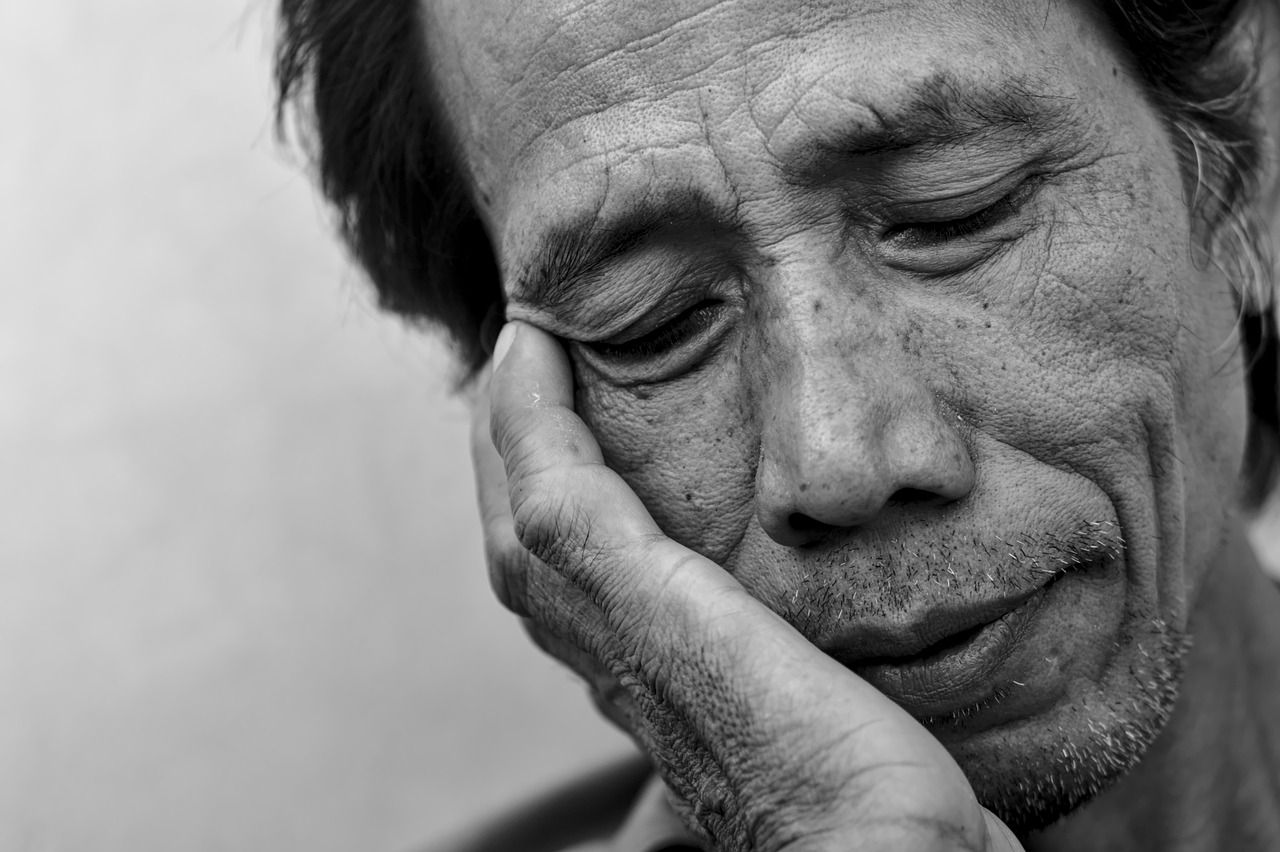
If you suffer from chronic fatigue, it is possible that you have a medical condition. Depending on the underlying cause, your local doctor may recommend testing. Some of these tests may be blood tests or x-rays, while others may be scans such as CT and MRI. These tests may help to pinpoint the root cause of your tiredness. You may also wish to consider a change in diet.
Undiagnosed sleep disorder
Everyone experiences low energy and fatigue from time to time. However, when these symptoms persist and are not relieved by rest, there may be a medical problem. Fatigue can have many causes. Physical activity, emotional stress, and lack of sleep can all contribute to feeling tired. If you have severe fatigue that prevents you from doing normal activities, it is time to seek medical attention. This article will discuss common symptoms of fatigue and how to recognize them.
Stress
Many factors are involved in stress and fatigue, including social status and perceptions of the health status of respondents. The age of respondents also has an impact, with the elderly having the highest risk. The age range of 41-60 has the greatest odds ratios of fatigue and stress. Single-item measures of contentment with health also have an effect. Also, a person’s employment status and divorce or separation are associated with high rates of fatigue and stress.
Poor diet
Fatigue can be a major problem. If you don’t get enough rest, you may end up in bed exhausted and grumpy. Moreover, it can make you feel cold, lack motivation, or even depressed. Ultimately, it can be a sign of nutrient deficiencies, an undereating habit, or even a more serious health problem. To solve this problem, you should change your diet.
Lack of sleep
Lack of sleep can affect a person’s performance, mood, and personality. In fact, most adults need at least seven to nine hours of sleep each night. Teenagers and children require more sleep than adults. However, older adults may need less sleep than younger people. Lack of sleep can affect your mood, personality, performance, and overall health. If you have trouble sleeping, it may be time to find a solution.
Anemia
If you are constantly tired and feel sleepy, you could be suffering from anemia. The condition causes a person to have low levels of red blood cells in the body, and can also cause a whole host of other symptoms, including headache, heart palpitations, and difficulty concentrating. People with anemia are also more likely to develop chronic fatigue syndrome, which puts their bodies under a lot of stress. The condition can also cause cognitive difficulties, and can even lead to dizziness and heart palpitations.
Kidney disease
If you’re feeling very tired, it’s likely that you have a condition such as kidney disease. If this is the case, your doctor may call it fatigue. Your symptoms may vary, but talk to your doctor or nurse about your symptoms. Everyone feels tired now and then, but chronic fatigue and lack of energy are often attributed to kidney disease. The disease can lead to toxins in the blood, which leads to a feeling of extreme tiredness.
Obesity
Obesity is a known contributor to fatigue. It damages organs and tissues, and this takes up energy. People with high BMIs and excessive body fat also have low energy levels. However, weight loss can help improve these symptoms. Here are some ways to reduce weight and boost energy levels. First, find ways to relieve stress. When you feel stressed, eat healthy. Eat plenty of water.
Sedentary lifestyle
The bane of modern life is a sedentary lifestyle. This includes prolonged periods of sitting and little physical activity. Sedentary individuals tend to have slower metabolisms and higher heart rates. As a result, they tend to have low energy levels and are prone to various ailments. Sedentary lifestyle is also associated with reduced muscle mass and decreased metabolic rate. It can also lead to early aging and reduced muscle mass.
Chronic illness
The experience of chronic illness and low energy can change the way you relate to people. Instead of being a source of pride, you can be a burden to those around you. It affects your relationships with others and makes you irritable or envious. Your body feels exhausted and unmotivated. People who know you well also feel this way. Chronic illness can cause low energy and fatigue. This feeling is a sign of a serious illness and should be addressed.
